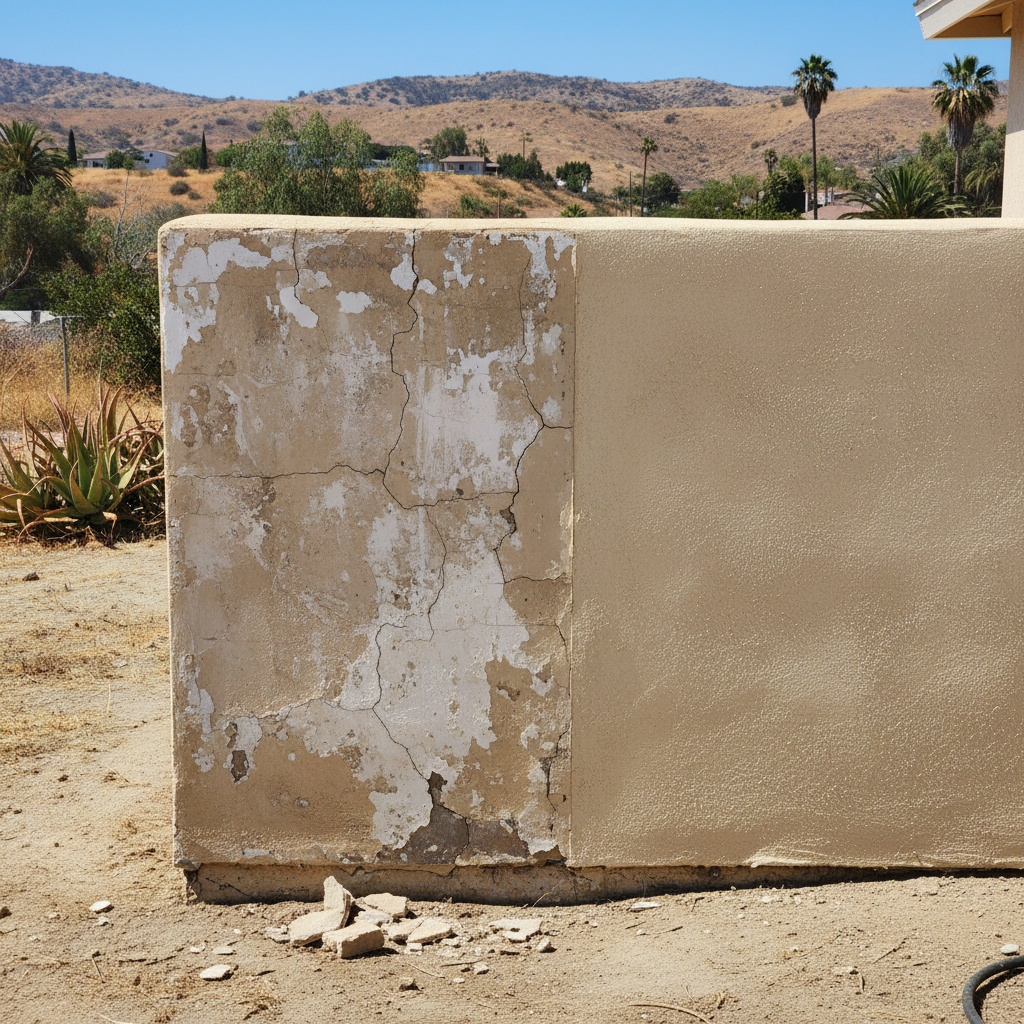
So, you're staring at that old stucco on your house and thinking, "Time for a change." Maybe it's all cracked up, or you just can't stand the texture anymore, or you're simply aiming for a totally different look. Whatever the reason, getting rid of existing stucco isn't a one-size-fits-all kind of deal. Here in El Cajon, I usually see folks leaning toward one of two main methods: sandblasting it off or chipping it away by hand. Both get the job done, sure, but they're pretty different in how they hit your wallet, your property, and the final look.
Sandblasting: Fast, but Messy and Risky
Sandblasting, also called abrasive blasting, is exactly what it sounds like. We use high-pressure air to blast abrasive material — usually sand or something similar — at the stucco surface. It's fast, no doubt about it. If you've got a big surface area and the stucco isn't super thick, this method can strip it down quickly. That's a big plus for project timelines, obviously.
But here's the kicker: it's incredibly messy. That abrasive material, plus all the stucco dust, goes everywhere. Even with extensive containment, you'll find dust in places you didn't think possible. We're talking about covering everything on your property, from windows and landscaping to your neighbor's car if they're parked too close. The dust can be a real problem for air quality, too, especially if you or your neighbors have respiratory issues. It's not just the mess; there's also the potential for damage. Sandblasting is aggressive. If someone who doesn't really know what they're doing handles it, you can easily damage the underlying sheathing or framing. I've seen guys blast right through old, brittle plywood, which just creates more repair work and more cost down the line. That also means you're often paying for extensive cleanup and potential repairs to the stuff underneath.
Chipping/Hammering: Slower, but Controlled and Cleaner
The other common way is chipping or hammering the stucco off. This is a more labor-intensive process, usually involving pneumatic hammers or chisels. Think of it as a controlled demolition, piece by piece. It takes longer, absolutely. You won't strip a whole wall in an afternoon like you might with blasting.
However, the benefits are significant. First, it's much cleaner. While there's still dust and debris, it's localized and easier to contain. You don't have fine particles airborne for miles around. This means less impact on your landscaping and less risk of damaging adjacent property. More importantly, it's far less destructive to the underlying structure. A skilled crew using chisels can carefully remove the stucco without gouging the sheathing or messing up the framing. This preserves the integrity of your home's envelope and reduces the amount of prep work needed before applying a new finish. For homes built in the 70s and 80s around Fletcher Hills, where the original stucco might be a bit thicker and applied over wood lath, chipping is often the smarter, safer bet.
Cost, Durability, Maintenance, and Appearance
Let's talk about the practical stuff:
- Cost: Sandblasting often has a lower upfront labor cost because it's faster. However, when you factor in the extensive containment, cleanup, and potential repairs to the substrate, the final cost can sometimes rival or even exceed chipping. Chipping has higher labor costs due to the time involved, but generally fewer hidden costs for damage control.
- Durability: This isn't about the durability of the removal method itself, but how it impacts the durability of your *new* finish. If sandblasting damages the substrate, your new stucco won't have a solid, even surface to stick to, which can compromise its long-term durability. Chipping, done right, leaves a much better foundation for whatever comes next.
- Maintenance: Again, this relates to the new finish. A properly prepared substrate from a careful chipping job means your new stucco will likely last longer and require less corrective maintenance down the road. You won't be dealing with issues stemming from an uneven or damaged base.
- Appearance: The appearance of the *new* finish is directly tied to the quality of the removal. Chipping provides a cleaner, more intact surface to work with, which means your new stucco application will look smoother, more consistent, and ultimately, better.
My Recommendation for El Cajon Homeowners
Look, I've been doing this for a long time at El Cajon Stucco & Plastering. While sandblasting has its place in certain industrial applications, for residential stucco removal on homes like we have here in El Cajon, I almost always recommend chipping. It's the safer, more controlled, and ultimately, the better long-term choice for your home. It protects your investment by preserving the integrity of your structure and sets up your new finish for success.
It might take a bit longer, and the initial quote might seem higher than a quick blast job, but when you consider the reduced risk of damage, the cleaner process, and the superior foundation it provides for your new stucco, it's really a no-brainer. You're not just removing old stucco; you're preparing your home for its next chapter, and you want that foundation to be solid, right?