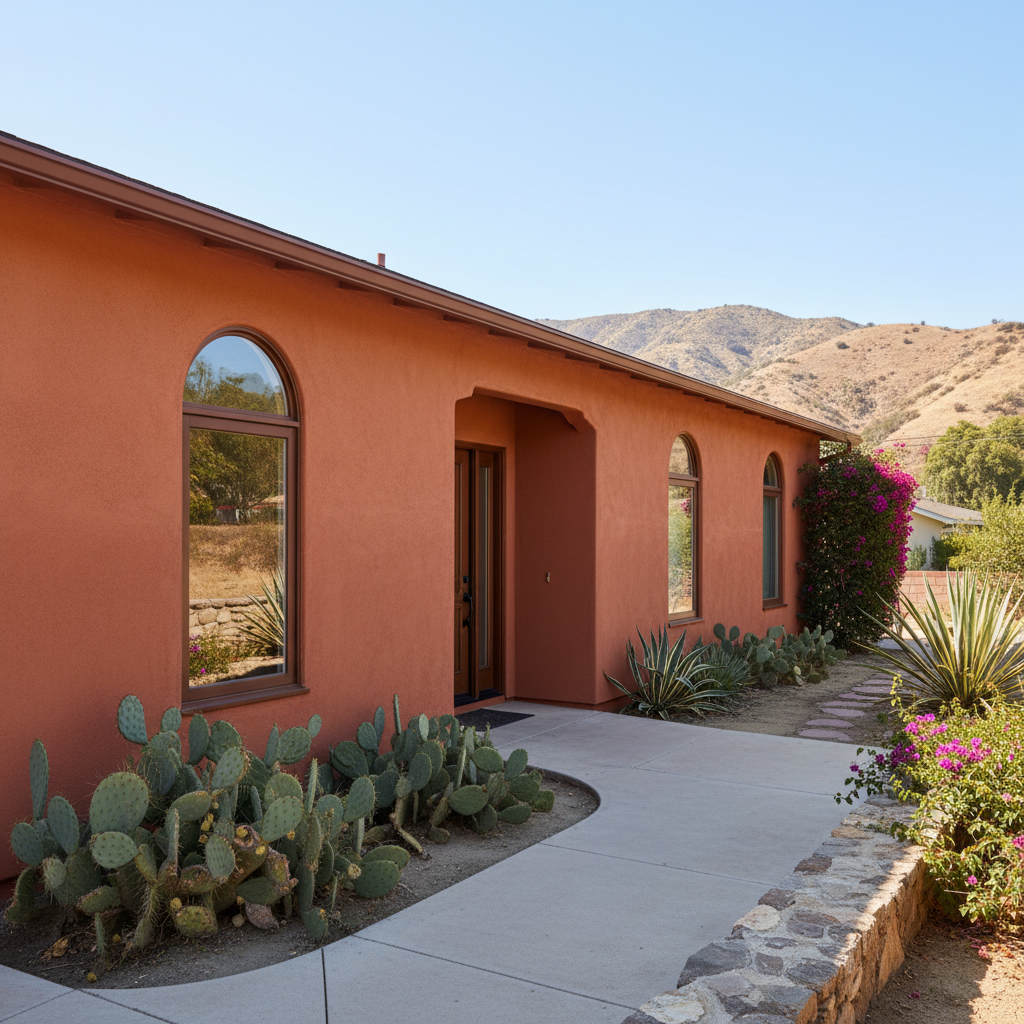
So, you've invested in a stucco redash for your El Cajon home. Maybe you updated the color, fixed some old cracks, or just wanted a fresh, clean look. That's awesome! Now the real work begins – keeping that fresh finish looking sharp and performing well for the long haul. It's not rocket science, but a little regular attention goes a long way, especially with our unique climate out here.
Extending the Life of Your Redash
The biggest thing you can do to extend the life of your redash starts with the initial job, but since that's done, let's focus on what you control now. First, proper drainage around your home is critical. Make sure your gutters are clean and downspouts direct water away from the foundation. Water pooling at the base of your walls is a stucco killer, plain and simple. We see it all the time in older homes, especially those built on the slab foundations common in areas like Fletcher Hills. That constant moisture wicking up into the stucco causes all sorts of headaches down the road.
Also, trim back any landscaping that's directly touching your stucco. Plants hold moisture against the wall and can even scratch the surface, creating pathways for water intrusion. Give your walls some breathing room.
Regular Maintenance: What You Need to Do
Good news: stucco is pretty low maintenance. You don't need to baby it, but a few simple tasks will make a big difference.
- Clean it regularly: Once a year, give your stucco a good wash. You can use a garden hose with a spray nozzle. For tougher dirt or mildew, a mild detergent (like dish soap) and a soft-bristle brush will do the trick. Rinse thoroughly afterwards. Don't use a high-pressure washer too close or on too strong a setting; you can damage the finish, especially on softer, older stucco.
- Inspect for cracks: Walk around your house every six months or so, particularly after our winter rains or a hot summer. Look for hairline cracks. Small, spiderweb cracks are usually just cosmetic and not a big deal. But if you see cracks that are wider than a credit card, or if they run horizontally or vertically for several feet, pay attention.
- Check for water intrusion: After a heavy rain, check around windows, doors, and any penetrations like light fixtures or hose bibs. Look for dark spots or streaks. These are tell-tale signs that water is getting in where it shouldn't.
Warning Signs of Problems
You're looking for anything that seems off. Here are the big red flags:
- Stains and discoloration: Beyond normal dirt, look for persistent dark streaks, green or black mildew, or rust stains. These often point to moisture problems or leaks.
- Bulging or soft spots: If you press on the stucco and it feels soft, or you see areas that are noticeably bulging outwards, that's a serious issue. It usually means water has gotten behind the stucco and is damaging the substrate underneath.
- Cracks that grow: Those small cracks you noticed? If they start getting wider, longer, or new ones appear rapidly, it's time to investigate.
- Flaking or crumbling stucco: This is a clear sign of deterioration. The stucco is losing its integrity, often due to prolonged moisture exposure or age.
- Efflorescence: That white, powdery substance on the surface? That's mineral salts left behind when water evaporates from within the wall. It means water is getting in and then drying out, leaving the salts behind.
When to Call a Professional
Look, I'm a big believer in DIY when it makes sense, but some things are best left to the pros. If you see any of those serious warning signs – bulging, soft spots, significant cracking, or persistent water stains – don't wait. Call someone like us at El Cajon Stucco & Plastering.
Trying to patch over a deep-seated water problem yourself is usually just putting a band-aid on a broken leg. You need to find the source of the water intrusion, fix that, and then repair the stucco properly. We've got the experience to diagnose these issues correctly and make repairs that last, protecting your investment and your home's structural integrity. Don't let a small problem turn into a major headache and a much more expensive fix down the road.