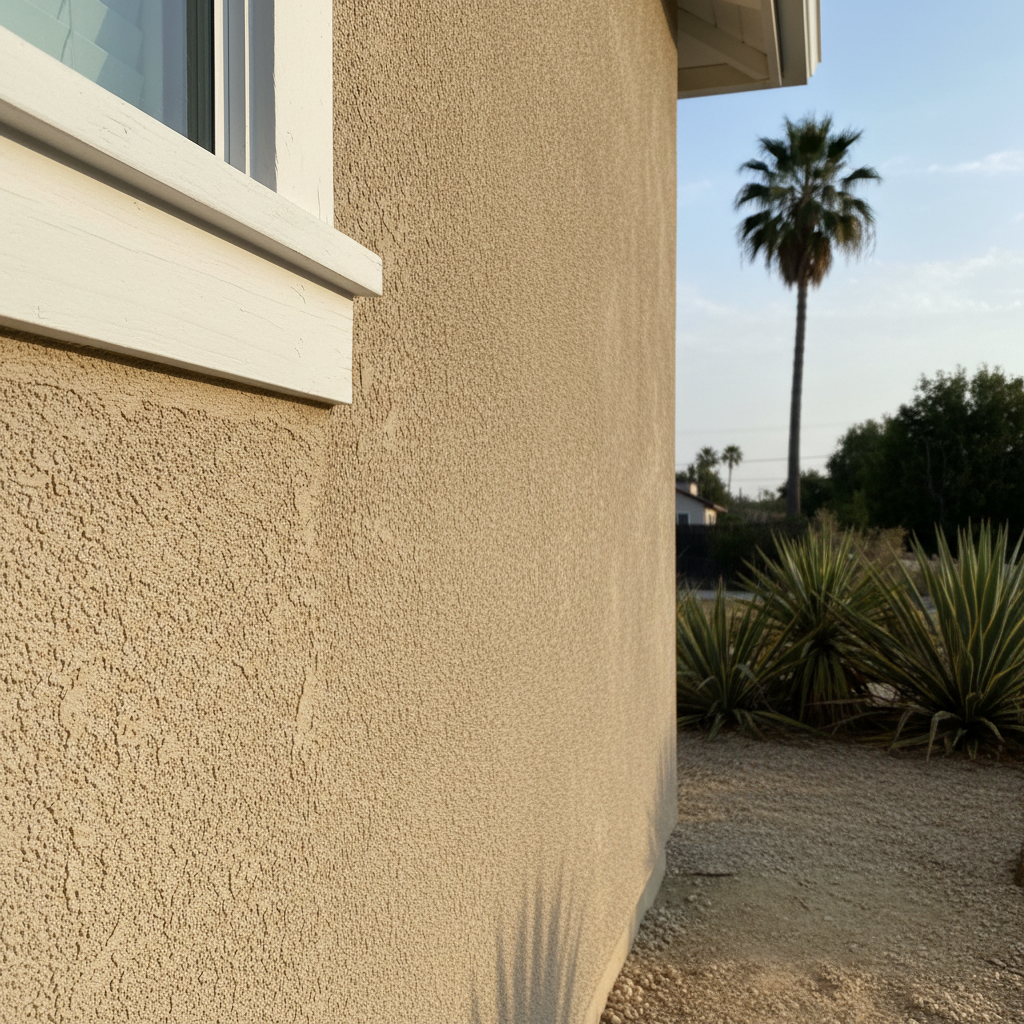
Stucco's a great choice for homes here in El Cajon. It's tough, looks good, and handles our hot, dry summers and occasional wet winters really well. But when it comes to a stucco project, whether it's a repair or a full re-stucco, homeowners often wonder: what can I actually do myself, and when do I absolutely need to call in the experts?
Before You Start: Planning Your Stucco Project
First things first, you need a plan. Are we talking about a small patch job, or are you looking to re-stucco your whole house? The scope of work dictates everything.
- Small Patches & Repairs: If you've got a little crack or a small section that's delaminated (meaning it's separated from the wall), you might be able to handle this yourself. We're talking about areas no bigger than a dinner plate, maybe a foot or two square at most. You can buy pre-mixed stucco patch at most hardware stores.
- Larger Repairs or New Stucco: Anything bigger than those small patches, or if you're thinking about adding stucco to a new addition or re-stuccoing an entire wall or your whole house, that's where you need to hit the brakes on the DIY dream. This isn't just about mixing mud; it's about proper substrate prep, lath installation, multiple coats, and getting the finish just right. Get it wrong, and you're looking at water intrusion, cracks, and a whole lot more headache down the road.
- Permits: For any significant exterior work, especially something structural or changing the exterior envelope, you'll likely need a permit from the City of El Cajon. Don't skip this. It's not just a formality; it ensures the work meets local building codes and protects you down the line. A good contractor will handle this for you.
During the Project: DIY vs. Professional Hands
Okay, so you've decided on the scope. Now, let's talk about the actual work.
What You Can (Maybe) Do Yourself
For those small, isolated cracks or minor dings:
- Cleaning: You can absolutely clean the area. Use a wire brush to get rid of any loose debris. For larger areas, a pressure washer on a low setting can work, but be careful not to damage the existing stucco.
- Patching Small Cracks: For hairline cracks, a good quality elastomeric caulk designed for stucco can work. For slightly wider cracks (up to about 1/8 inch), you can use a pre-mixed stucco patch. Make sure the area is clean and slightly damp. Apply the patch, smooth it out, and try to match the existing texture as best you can. It takes practice.
- Painting: Once your stucco is fully cured (which can take weeks for new stucco, days for small patches), you can definitely paint it yourself. Just make sure you use a high-quality acrylic elastomeric paint designed for stucco and masonry. It'll flex with the stucco and resist cracking.
When to Call El Cajon Stucco & Plastering (or another Pro)
This is where experience and specialized tools really come into play. If you're dealing with:
- Large Cracks or Delamination: If you can see the lath (the metal mesh under the stucco) or if large sections are loose, you've got a bigger problem than a simple patch can fix. This often indicates water damage or structural issues that need a professional assessment.
- Stucco Failure Around Windows/Doors: These are common spots for water leaks. Improper flashing or stucco application here can lead to serious rot. Don't mess around with this.
- New Stucco Application: Applying new stucco is a multi-step process: scratch coat, brown coat, and finish coat. Each needs to be applied at the right thickness, with the right mix, and cured properly. Getting the texture consistent across a large area is an art form. Plus, you need specialized equipment like a stucco pump or a hawk and trowel, and you need to know how to use them.
- Matching Existing Texture: This is harder than it looks. Whether it's a smooth Santa Barbara finish or a rougher dash texture common on some older El Cajon homes, a pro has the eye and the tools to blend new work seamlessly with old.
- Moisture Issues: If you suspect water is getting behind your stucco, that's a job for a professional who can diagnose the source of the leak and repair the damage correctly.
After the Project: Maintenance & Care
Once your stucco project is done, whether you did a small patch or had us at El Cajon Stucco & Plastering re-stucco your whole house, a little maintenance goes a long way.
- Regular Inspections: Walk around your house a couple of times a year. Look for new cracks, discoloration, or areas where the stucco might be bulging or flaking. Catching small problems early saves you big money later.
- Keep it Clean: Wash your stucco periodically. A garden hose and a soft brush can remove dirt and grime. For tougher stains, a mild detergent and water mixture usually does the trick. Just rinse thoroughly.
- Manage Water: Make sure your sprinklers aren't constantly spraying your stucco. Check your gutters and downspouts to ensure they're directing water away from your foundation. Water is stucco's biggest enemy.
Ultimately, a stucco project can be a big undertaking. For small cosmetic fixes, you might be fine on your own. But for anything substantial, don't hesitate to call in the pros. We've seen too many DIY stucco nightmares that end up costing more to fix than if the homeowner had just called us in the first place. Get it done right the first time.