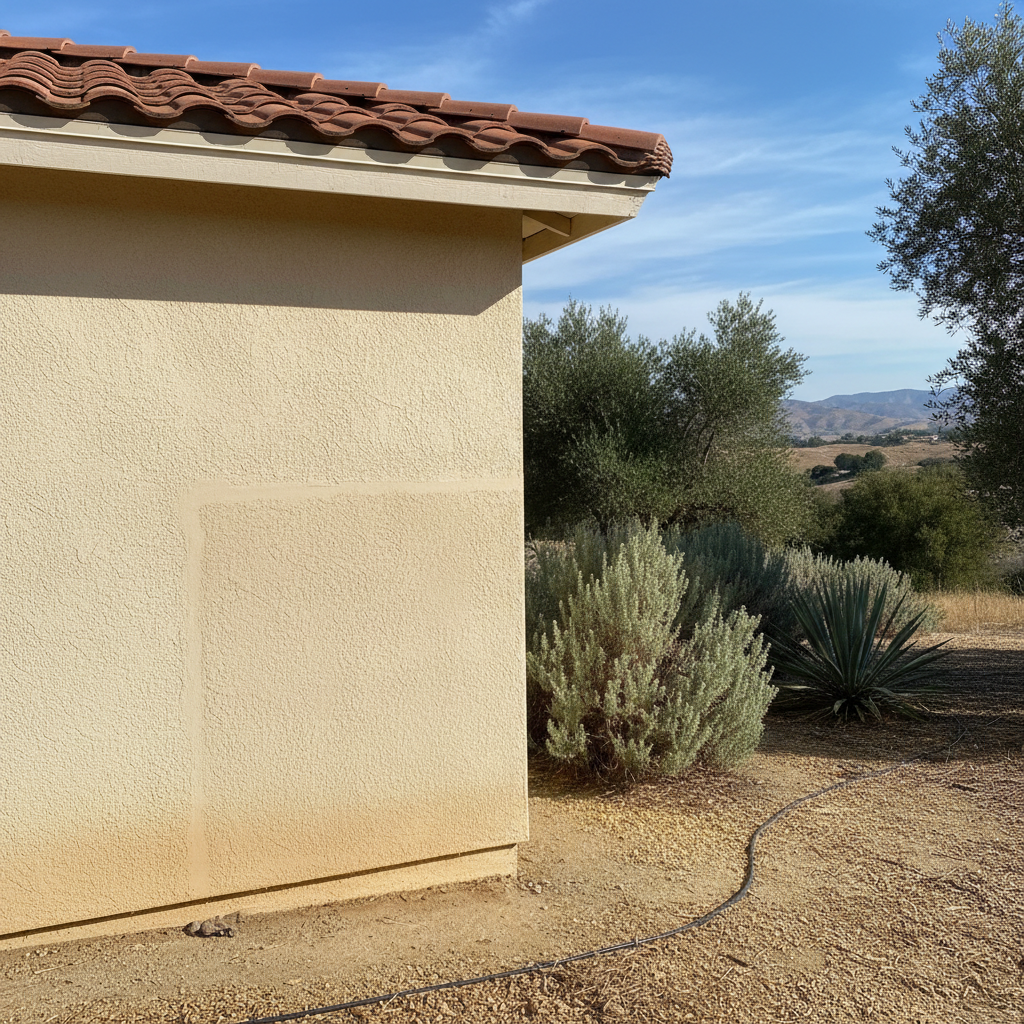
You just invested in getting your stucco repaired, whether it was a small crack or a bigger patch job. That's smart. But getting the repair done is only half the battle. If you don't take care of it, you'll be calling someone like me again sooner than you'd like. I see it all the time here in El Cajon; folks fix a problem and then forget about it until it's a bigger, more expensive mess. Let's make sure that doesn't happen to you.
Extending the Life of Your Stucco Repair
The biggest thing you can do to make any stucco repair last is to address the root cause of the damage. If your stucco cracked because of foundation movement, and you didn't fix the foundation, those cracks are coming back. Same goes for water intrusion. If you had a leaky gutter or a sprinkler hitting the wall directly, and you didn't fix that problem, the new stucco will eventually fail too. It's common sense, but sometimes people miss it.
Once the repair is done right, keeping it clean is crucial. Dirt and grime can hold moisture against the surface, which is bad news for stucco, especially with our occasional heavy rains after long dry spells. A light power wash on a low setting, or even just a good scrub with a soft brush and mild detergent, can make a huge difference. Don't blast it too hard, though; you don't want to damage the finish or force water into places it shouldn't go.
Painting or sealing your stucco after a repair can also add an extra layer of protection. A good quality elastomeric paint, for instance, can bridge tiny hairline cracks that might form over time and provide excellent waterproofing. Just make sure the stucco is fully cured before you paint it, which usually means waiting a few weeks, sometimes longer depending on the type of repair and our local humidity.
Regular Maintenance: What You Need to Do
Maintenance for stucco isn't rocket science, but it does require a little attention. I tell all my clients, including those we do work for at El Cajon Stucco & Plastering, to do a walk-around of their home at least twice a year. Think of it like checking the oil in your car. Look for anything out of the ordinary.
- Inspect for Cracks: Small hairline cracks are normal, especially around windows and doors where there's more movement. But anything wider than a credit card, or cracks that are growing, need attention.
- Check for Stains: Dark streaks, especially under windows, eaves, or near plumbing fixtures, usually mean water is getting where it shouldn't. Don't ignore these.
- Look at Your Landscaping: Are plants growing directly against your stucco? Trim them back. They hold moisture and can damage the stucco surface over time.
- Gutters and Downspouts: Make sure they're clear and directing water away from your foundation. Clogged gutters are a leading cause of stucco damage.
- Window and Door Seals: Check the caulking around all openings. If it's cracked, peeling, or missing, water will find its way in. Re-caulk as needed.
Our El Cajon weather, with its hot, dry summers and occasional wet winters, really puts stucco to the test. The expansion and contraction from temperature swings can lead to stress cracks, so regular inspections are key to catching things early.
Warning Signs of Bigger Problems
Some warning signs mean you've got a problem brewing that's beyond a simple DIY fix. Don't wait on these:
- Bulging or Soft Spots: If you push on the stucco and it feels soft, spongy, or bulges out, that's a classic sign of water damage underneath. The lath or sheathing could be rotting.
- Discoloration or Mold: Persistent dark green or black patches that don't wash off easily often indicate chronic moisture issues and mold growth behind the stucco.
- Stucco Falling Off: Obviously, if pieces of your stucco are crumbling or detaching from the wall, you've got a serious bonding issue or significant water damage.
- Cracks that are Wide or Spreading Rapidly: A crack that's a quarter-inch wide, or one that you can see growing week after week, isn't just cosmetic. It could point to structural movement or a major defect.
- Efflorescence: This is a white, powdery substance that appears on the surface. It's mineral salts left behind when water evaporates from within the stucco. It means water is getting in and out, which isn't good.
When to Call a Professional
Look, I'm a big believer in homeowners doing what they can, but there's a point where you need to call in the pros. If you see any of those bigger warning signs I just mentioned, pick up the phone. Don't try to patch over a soft spot; you're just hiding a bigger problem that will cost more to fix later.
Also, if you're not comfortable getting on a ladder, or if the damage is high up on a two-story house, it's safer to call us. We've got the right equipment and experience to assess the damage properly and make sure the repair is done right the first time. We'll find the source of the problem, fix it, and make sure your repair lasts. That's what we do here in El Cajon, and it's always better to be safe than sorry when it comes to your home's exterior.